
Inventory Valuation Methods (LIFO/FIFO): Analyzing the Impact of Accounting Choices on Reported Profitability and Taxes
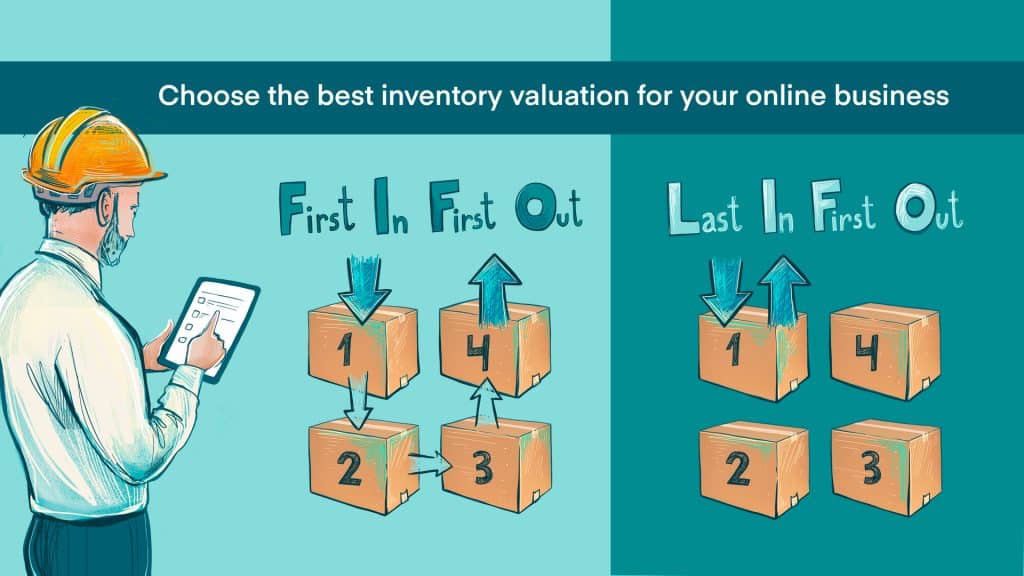
When it comes to inventory valuation, businesses must choose a method that best aligns with their financial goals and operational realities. Among the most widely used accounting practices are LIFO (Last In, First Out) and FIFO (First In, First Out). Both methods affect how companies report profitability, manage taxes, and evaluate their financial health. But what does this choice really mean? How does it influence a company’s financial statements, taxes, and overall profitability?
Grasping the details of these methods is crucial for students enrolled in a data analytics course in Mumbai, as they underpin numerous financial and business analysis activities.Whether you are a budding data analyst or a professional diving into advanced inventory models, mastering these concepts is crucial.
The Basics of LIFO and FIFO
Before delving into the impact of these inventory valuation methods, it is essential to know what they entail. FIFO assumes that the first goods purchased (or produced) are the first ones sold or used. In contrast, LIFO suggests that the most recently acquired goods are the first to be sold.
These methods are more than just bookkeeping tools. They affect everything from cost of goods sold (COGS) to reported profits, and thus, tax liabilities.
How FIFO Affects Profitability and Taxes
FIFO is generally seen as a method that better matches the physical flow of goods, especially in industries like retail, where the oldest inventory often gets sold first. This valuation method leads to lower COGS when prices are rising, as the older, cheaper inventory is sold first, leaving the more expensive items to remain in stock. As a result, FIFO usually results in higher reported profitability because of the reduced cost of goods sold.
This increase in profitability can, however, come at a cost when it comes to taxes. Higher profits mean higher taxable income, which could lead to a larger tax bill. However, FIFO’s transparency and alignment with how products are sold make it a favored method in many industries.
The Impact of LIFO on Financials
In contrast, LIFO can have the opposite effect on profitability. By selling the most recently acquired goods first, LIFO assumes that the latest, higher-priced items are moving out of inventory. This results in a higher COGS, as newer inventory usually costs more than older stock. As a consequence, a company using LIFO will often report lower profits in periods of inflation.
This reduction in profits has its own advantages, particularly when it comes to tax liabilities. Lower profits mean that a business will face a smaller tax burden, which can free up cash for reinvestment or other uses. For companies dealing with fluctuating costs, LIFO can be a useful tool for smoothing out earnings and lowering short-term tax obligations.
Why the Choice of Method Matters
The decision to use FIFO or LIFO can have long-term effects on a company’s financial standing, particularly in relation to taxes and profitability. A data analyst course might delve into how these differences can impact data modeling and forecasting, as businesses need to factor in how their inventory valuation methods influence financial statements.
For instance, a business that uses FIFO during periods of inflation will show higher profits than one using LIFO. This can affect the perceived financial health of the company. When investors or other stakeholders assess these companies, their conclusions may differ significantly based on the inventory method used.
Furthermore, the choice of inventory method is not just about managing tax liabilities or financial appearances. It plays a role in how a company manages its working capital and overall cash flow. Companies with higher profits under FIFO might find it harder to manage cash flow because of their higher tax burdens, while those using LIFO could face challenges in times of rapid cost increases, as their reported profits will lag behind reality.
Long-Term Implications and Strategic Decisions
The decision to adopt FIFO or LIFO is not always simple, and businesses must consider long-term implications before choosing a path. During periods of high inflation, for example, LIFO might seem more attractive due to the immediate tax savings. However, over time, FIFO might result in a healthier cash position, which could benefit the business in the long run.
In industries where inventory turnover is slower, FIFO might reflect a more accurate picture of a company’s profitability. However, in fast-moving industries with constant price fluctuations, LIFO might help companies better align their costs with their revenues, avoiding the potential for significant mismatches between book profits and actual cash flow.
Conclusion: The Balance Between Profitability and Taxes
In conclusion, the choice between LIFO and FIFO is a critical decision for any business. Whether a company wants to reflect higher profitability, manage taxes more efficiently, or align their inventory systems with their operational needs, both methods offer distinct advantages. Companies must weigh these considerations carefully, as they can have a significant impact on everything from tax filings to the way investors perceive their financial stability.
For those pursuing a data analytics course in Mumbai, understanding the implications of these inventory valuation methods is crucial for anyone involved in financial modeling or business analysis. While the methods themselves are relatively straightforward, their real-world impact can be profound, making them an essential aspect of financial and operational analysis. Whether you’re analyzing the financial health of a company or helping businesses optimize their inventory strategies, the choice of inventory method will play a pivotal role in shaping their success.
Business Name: ExcelR- Data Science, Data Analytics, Business Analyst Course Training Mumbai
Address: Unit no. 302, 03rd Floor, Ashok Premises, Old Nagardas Rd, Nicolas Wadi Rd, Mogra Village, Gundavali Gaothan, Andheri E, Mumbai, Maharashtra 400069, Phone: 09108238354, Email: enquiry@excelr.com.