
Best Peptides in Canada: A Researcher’s Guide to Smart Sourcing
Discover the best peptides in Canada and learn to choose a trustworthy research peptide supplier with purity documentation.
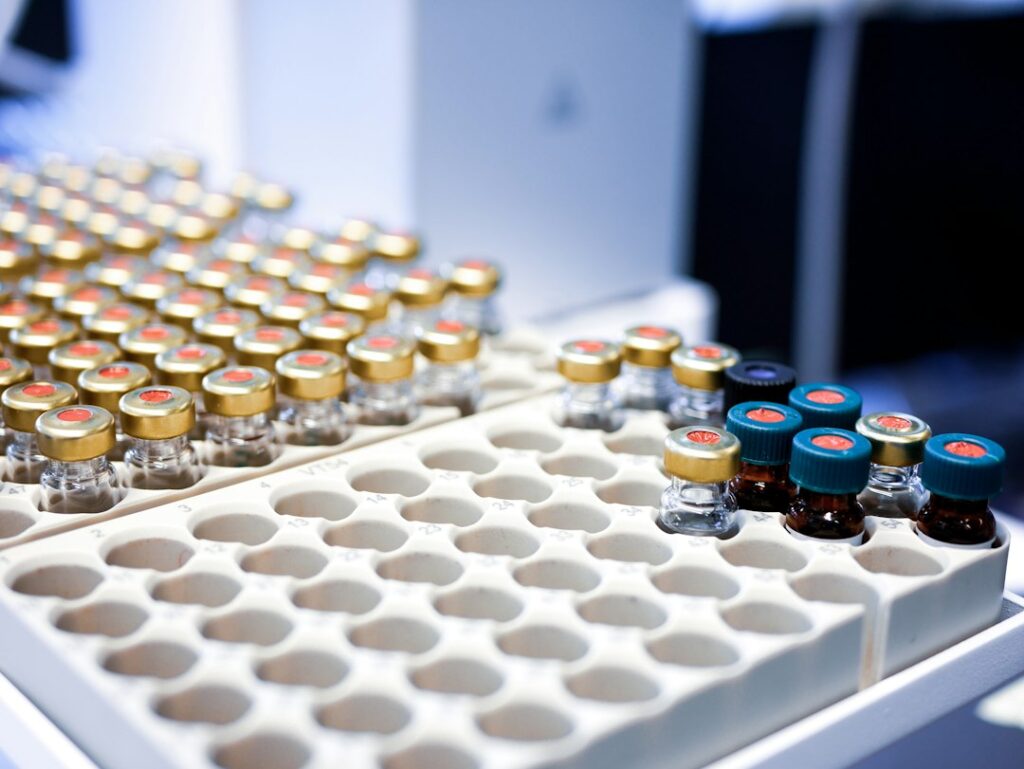
Which supplier offers the best peptides in Canada for research purposes? The answer depends less on brand reputation and more on documentation, purity standards, and domestic sourcing practices. Canadian researchers who build their evaluation process around these three pillars tend to avoid the costly setbacks that come from inconsistent batches or unclear labeling.
What makes a research peptide supplier trustworthy?
Trustworthiness in this field is not about marketing claims. It comes down to verifiable evidence. A supplier worth considering should be willing to provide batch-specific documentation without hesitation, because withheld or vague paperwork is often the clearest warning sign of a weak quality system.
Reputable sources will readily share information about their synthesis methods and testing protocols. If a company dodges direct questions about purity verification, that hesitation alone should prompt researchers to look elsewhere.
How important is purity documentation when choosing peptides?
Purity documentation is arguably the single most important factor in this decision. Certificates of Analysis, commonly referred to as COAs, confirm that a compound matches its labeled identity and meets expected purity thresholds. These documents typically come from independent, third-party laboratories using methods such as High-Performance Liquid Chromatography and Mass Spectrometry.
Researchers should request COAs tied to specific batch numbers rather than generic documents applied across multiple production runs. Batch-specific testing demonstrates that a supplier conducts quality checks consistently, not just occasionally for marketing purposes. Without this level of transparency, there is no reliable way to confirm what is actually inside the vial.
Why does domestic sourcing matter for Canadian researchers?
Sourcing peptides from within Canada offers several practical advantages that extend beyond simple convenience. Domestic suppliers are more familiar with national shipping standards, temperature-sensitive handling requirements, and the regulatory framework surrounding research-use compounds.
International shipments often face longer transit times, which increases the risk of temperature exposure during customs delays. A Canadian-based supplier shortens that window considerably, reducing the chance that a sensitive compound degrades before it reaches the lab bench. Domestic sourcing also simplifies communication, since researchers can work with support teams operating in familiar time zones and under consistent regulatory expectations.
How should peptides be stored once they arrive?
Proper storage protocols protect the integrity of any research compound, and this responsibility does not end once a product leaves the supplier. Most lyophilized peptides require refrigeration or freezing, depending on manufacturer guidance, while reconstituted solutions typically need stricter temperature control and shorter usage windows.
Researchers should always follow the specific storage instructions provided for each compound, since requirements can vary based on formulation and stability profile. Mishandling during storage is one of the most common reasons researchers encounter inconsistent results, even when the original product met every quality standard at the point of purchase.
What handling practices reduce contamination risk?
Careful handling practices are just as critical as sourcing and storage. Using sterile technique when reconstituting peptides minimizes the risk of contamination that could compromise an entire study. Researchers should work in a clean environment, use appropriate bacteriostatic water when required, and avoid repeated freeze-thaw cycles that degrade compound stability over time.
Labeling practices also matter more than many researchers initially realize. Clear, accurate labeling at every stage prevents mix-ups between compounds, especially in labs working with multiple research lines simultaneously.
What should researchers look for before placing an order?
Before committing to a supplier, Canadian researchers should confirm a few key details. First, verify that batch-specific COAs are available either upfront or upon request. Second, assess whether the supplier operates within Canada, which affects shipping reliability and compliance familiarity. Third, review packaging standards to ensure compounds arrive properly sealed and protected from temperature fluctuations during transit.
A supplier that meets these standards consistently, rather than occasionally, is far more likely to support reliable, reproducible research outcomes over time.
Final Thoughts on Choosing Quality Peptides
Selecting dependable research peptides in Canada comes down to disciplined evaluation rather than guesswork. Prioritizing documented purity, confirming domestic sourcing, and following strict storage and handling protocols gives researchers a strong foundation for consistent, credible results. Taking the time to vet a supplier properly before the first order pays off across every study that follows.
Quick Summary
- The quality of research peptides in Canada is determined by documentation, purity standards, and domestic sourcing practices rather than brand reputation.
- Trustworthy peptide suppliers provide batch-specific documentation and are transparent about their synthesis methods and testing protocols.
- Certificates of Analysis (COAs) confirm that a compound meets its labeled identity and expected purity thresholds and should be specific to each batch.
- Sourcing peptides domestically in Canada reduces transit times and the risks related to temperature exposure and regulatory compliance.
- Proper storage protocols are essential for maintaining peptide integrity, with specific temperature controls required based on the compound’s formulation and stability profile.
- Researchers should verify the availability of batch-specific COAs, supplier location, and packaging standards before placing an order for peptides.