
Maximizing Financial Accuracy with Modern Depreciation Calculators
In the dynamic world of business finance, understanding the value of assets over time is crucial for making informed decisions. Depreciation plays a central role in this process, helping organizations account for the gradual decrease in asset value due to wear and tear, usage, or technological obsolescence. Modern Depreciation Calculator have emerged as essential tools for businesses seeking to streamline accounting processes, enhance financial accuracy, and optimize resource management.
Depreciation calculators provide a clear and efficient way to determine how much value an asset loses over a specific period. This insight is essential for financial reporting, tax planning, and strategic budgeting. By automating calculations that were once complex and time-consuming, these tools allow accountants and business managers to focus on analysis and decision-making rather than manual computation. Accuracy in depreciation tracking ensures that financial statements reflect the true value of assets, supporting transparency and reliable reporting.
One of the key advantages of using a modern depreciation calculator is its adaptability to different accounting methods. Whether an organization applies straight-line depreciation, declining balance, or more complex approaches like Modified Accelerated Cost Recovery System (MACRS), these calculators can accommodate various methodologies. This flexibility ensures compliance with accounting standards and tax regulations, reducing the risk of errors and potential penalties. Businesses gain confidence knowing that their asset valuations are calculated accurately and consistently.
Financial planning is another area where depreciation calculators prove invaluable. Accurate depreciation figures allow organizations to project future expenses and asset replacement costs more effectively. This information supports budgeting for capital expenditures, evaluating investment opportunities, and determining optimal timing for asset upgrades. Companies that leverage depreciation calculators can make informed strategic decisions, allocate resources efficiently, and plan for long-term growth with confidence.
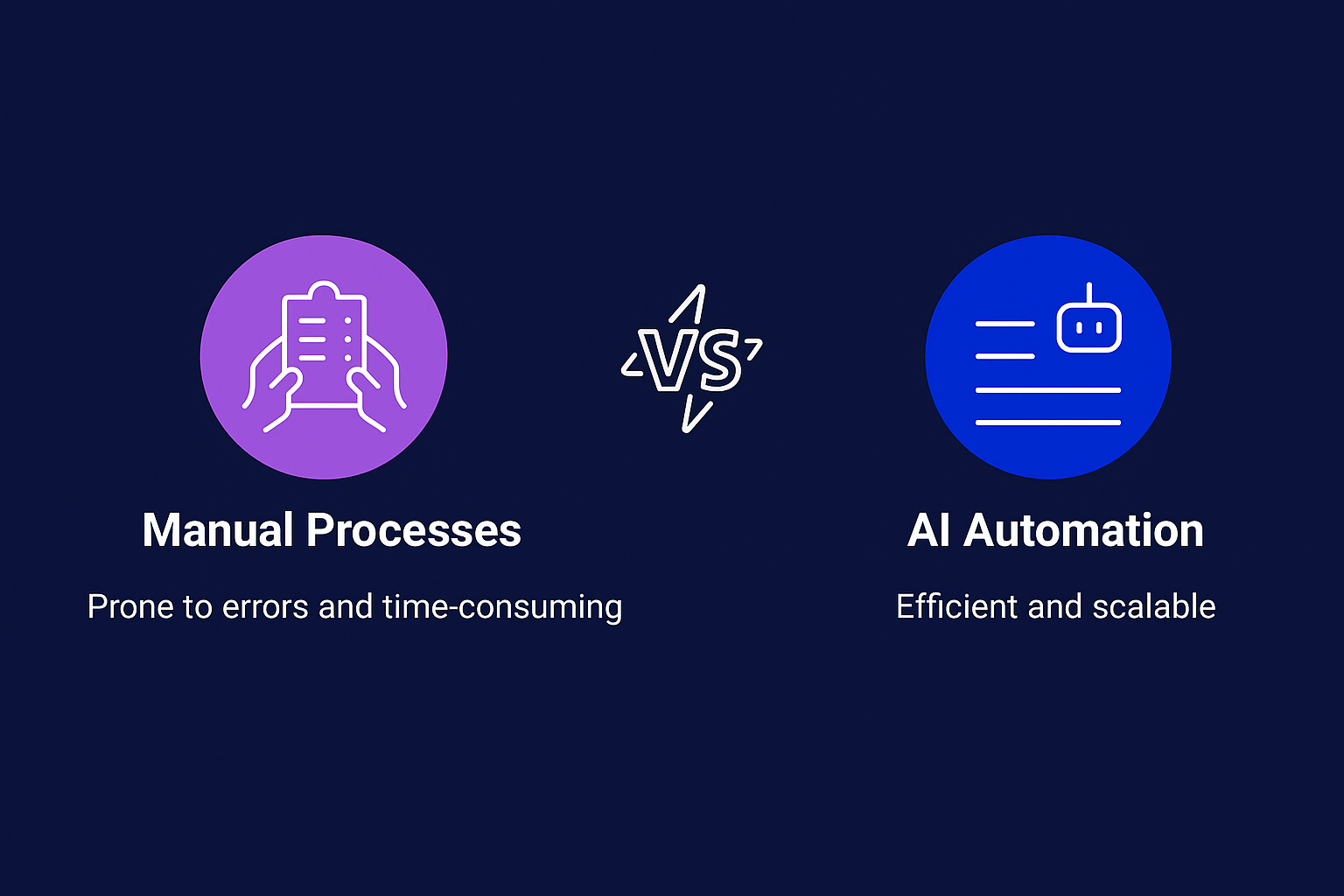
Efficiency is significantly improved when using depreciation calculators. Manual depreciation calculations often involve complex formulas, multiple asset classes, and varying useful life assumptions. A digital calculator automates these processes, saving valuable time and reducing the likelihood of human error. Real-time computation also allows for quick adjustments when asset values, useful life, or salvage values change, ensuring that financial data remains up-to-date and accurate at all times.
Transparency and accountability are enhanced through the use of depreciation calculators. Detailed reports generated by these tools provide a clear record of asset values, depreciation schedules, and adjustments over time. These records support internal audits, external reporting, and regulatory compliance. Organizations can demonstrate meticulous financial management, reinforcing trust with stakeholders, investors, and regulatory bodies.
Integration with other financial systems is another strength of modern depreciation calculators. Many platforms can synchronize with accounting software, enterprise resource planning (ERP) systems, and asset management tools. This connectivity ensures seamless data flow across departments, reduces redundancy, and provides a comprehensive view of an organization’s financial health. Managers can analyze asset performance, plan for replacements, and make data-driven decisions without juggling multiple platforms or spreadsheets.
Predictive insights also emerge when using depreciation calculators effectively. By analyzing historical depreciation trends and asset performance, organizations can anticipate future maintenance needs, replacement cycles, and investment requirements. This proactive approach reduces downtime, avoids unexpected financial burdens, and supports sustainable growth strategies. Businesses gain a forward-looking perspective that enhances operational resilience and financial stability.
For small and medium-sized enterprises, depreciation calculators offer particular value. Limited financial teams benefit from automated accuracy, enabling them to maintain professional accounting standards without additional resources. These tools democratize sophisticated financial management, allowing businesses of all sizes to optimize asset utilization and strengthen financial planning.
In conclusion, modern depreciation calculators are indispensable for organizations seeking precision, efficiency, and strategic insight in asset management. By automating complex calculations, supporting multiple accounting methods, and integrating with broader financial systems, these tools empower businesses to maintain accurate records, optimize budgeting, and make informed investment decisions. Embracing a depreciation calculator is not just a practical choice—it is a proactive strategy for enhancing financial clarity, operational efficiency, and long-term organizational success.