
The Essential Tech Stack for Modern Full Stack Developers
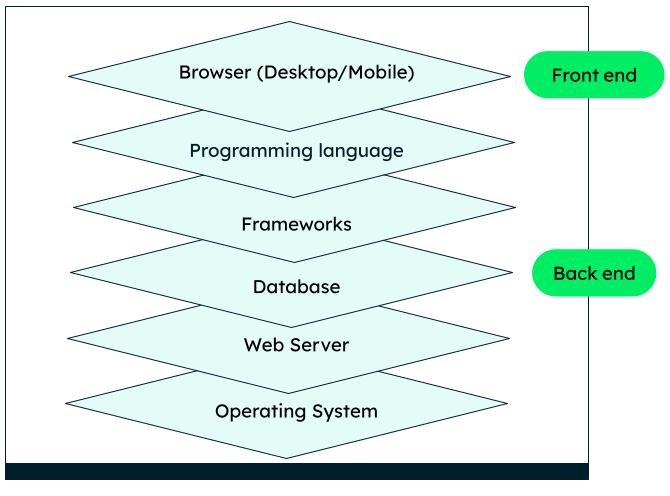
The role of a developer has become increasingly versatile and dynamic in today’s fast-paced tech industry. Full stack developers are expected to work across the entire technology stack, managing both frontend and backend development to create seamless web applications. To achieve this, understanding and mastering the essential tech stack is crucial. This blog explores the modern tech stack every full stack developer should know. If you’re an aspiring developer, enrolling in a full stack developer course in Hyderabad can help you gain the skills and experience needed to navigate this exciting field.
What Is a Tech Stack?
A tech stack means the combination of technologies, frameworks, and tools used to develop an application. It typically includes:
- Frontend Technologies: Tools and frameworks that manage what users see and interact with.
- Backend Technologies: Frameworks and databases that handle business logic, data management, and server-side operations.
- DevOps Tools: Tools for deployment, monitoring, and maintaining the application.
Each layer of the stack plays a big role in ensuring that the application is functional, scalable, and user-friendly. A full stack developer course introduces students to these technologies, preparing them for the challenges of modern development.
The Modern Frontend Tech Stack
Frontend development focuses on creating the visual and interactive aspects of a web application. Here are the key components of a modern frontend stack:
1. HTML, CSS, and JavaScript
These technologies are the building blocks of any web application:
- HTML: Defines the structure of a webpage.
- CSS (Cascading Style Sheets): Styles the webpage, controlling layout, colors, and fonts.
- JavaScript: Adds interactivity, enabling dynamic content and real-time updates.
Every full stack developer course begins with these basics to ensure a strong foundation in web development.
2. Frontend Frameworks and Libraries
Modern frontend development often relies on frameworks and libraries:
- React: Known for its performance and reusable components.
- Angular: A comprehensive framework for creating dynamic single-page applications.
- Vue.js: A lightweight framework that combines the best of React and Angular.
A full stack developer course in Hyderabad typically provides hands-on training with one or more of these frameworks, helping students build interactive and responsive applications.
3. Build Tools and Bundlers
Tools like Webpack, Babel, and Vite optimize the development process by bundling code and ensuring compatibility across different browsers.
The Modern Backend Tech Stack
Backend development handles the application’s server-side logic, database interactions, and integration with external systems. Here are the essential components of a modern backend stack:
1. Programming Languages
- Node.js: A JavaScript runtime for building scalable server-side applications.
- Python: Known for its simplicity and wide range of libraries, ideal for data processing and machine learning integration.
- Java: A robust language often used for enterprise-level applications.
Enrolling in a full stack developer course allows students to explore these languages and understand which one fits their career goals.
2. Backend Frameworks
Frameworks simplify backend development by providing ready-made components and tools:
- Express.js (Node.js): A lightweight framework for building RESTful APIs.
- Django (Python): A high-level framework that encourages clean and pragmatic design.
- Spring Boot (Java): A framework that simplifies the development of Java-based applications.
These frameworks are often part of the curriculum in a full stack developer course in Hyderabad, giving learners practical experience in server-side development.
3. Databases
Databases store and retrieve application data. The choice of database depends on the type of application:
- Relational Databases (SQL): MySQL, PostgreSQL.
- NoSQL Databases: MongoDB, Couchbase.
For example, an e-commerce site might use MongoDB for product catalogs and MySQL for order management. Learning how to design, query, and optimize databases is a core part of any full stack developer course.
DevOps and Deployment Tools
Modern full stack developers also need to be familiar with tools and practices for deploying and maintaining applications. These include:
1. Version Control
These systems are important for tracking changes and collaborating with teams.
2. Containerization
Tools like Docker allow developers to package applications and their dependencies into containers, ensuring consistency across different environments.
3. CI/CD Pipelines
CI/CD pipelines automate testing and deployment, enabling faster releases. Tools like Jenkins, CircleCI, and GitHub Actions are widely used.
4. Cloud Platforms
Cloud services provides scalable solutions for hosting and managing applications. Understanding cloud architecture is a valuable skill taught in a full stack developer course in Hyderabad.
Emerging Technologies in the Tech Stack
The tech stack for full stack developers is constantly evolving. Here are some emerging technologies worth exploring:
1. GraphQL
An alternative to REST APIs, GraphQL allows clients to request the data they need, enhancing performance and flexibility.
2. Serverless Architecture
Platforms like AWS Lambda and Firebase Functions let developers to run backend code without managing servers, reducing infrastructure overhead.
3. WebAssembly
WebAssembly enables high-performance applications to run in the browser, opening new possibilities for web development.
Building Your Tech Stack: A Step-by-Step Approach
Mastering the modern tech stack can seem overwhelming, but a structured approach helps:
- Start with the Basics: Learn HTML, CSS, and JavaScript.
- Choose a Frontend Framework: Gain expertise in React, Angular, or Vue.js.
- Learn a Backend Language: Pick a language like Node.js or Python and its associated frameworks.
- Master Databases: Understand how to use both SQL and NoSQL databases.
- Explore DevOps Tools: Familiarize yourself with version control, CI/CD, and cloud platforms.
A full stack developer course offers a guided pathway to mastering these skills, combining theoretical knowledge with real-world projects.
Why Hyderabad Is a Hub for Full Stack Development
Hyderabad has emerged as a leading tech hub in India, attracting top companies and startups. For aspiring developers, a full stack developer course in Hyderabad provides a unique opportunity to learn in an environment rich with industry connections and job opportunities. Hyderabad’s vibrant tech community hosts regular hackathons, meetups, and conferences, allowing learners to network and stay updated on the latest trends.
Conclusion
The essential tech stack for modern full stack developers spans frontend frameworks, backend tools, databases, and DevOps practices. For those looking to start or advance their career, a full stack developer course provides the comprehensive training needed to succeed. A developer course in offers the added advantage of learning in one of India’s most dynamic tech ecosystems, preparing students for real-world challenges and opportunities in full stack development. By mastering the modern tech stack, you’ll be well-equipped to thrive in this exciting and ever-evolving field.
Contact Us:
Name: ExcelR – Full Stack Developer Course in Hyderabad
Address: Unispace Building, 4th-floor Plot No.47 48,49, 2, Street Number 1, Patrika Nagar, Madhapur, Hyderabad, Telangana 500081
Phone: 087924 83183