Top AI-Powered Apps to Learn Italian Naturally
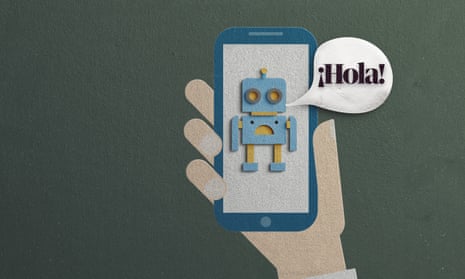
Learning Italian has traditionally required textbooks, classes, or immersion, but why are AI-powered apps becoming the go-to solution for many learners? According to recent data, 68% of language learners now use digital platforms, and AI-driven apps show higher engagement and retention rates. best apps to learn italian use machine learning to tailor lessons to individual needs, provide instant feedback, and simulate real-life conversations, making the learning process more natural and effective.
How Do AI Apps Help Users Speak Italian Naturally?
Natural language acquisition relies on context and repetition, but how can an app replicate immersion? AI-powered apps use speech recognition, contextual exercises, and adaptive algorithms to create interactive learning environments. Studies indicate that users practicing with AI tools for 20–30 minutes daily can improve conversational fluency by up to 35% within three months. By simulating real-life scenarios, learners practice speaking, listening, reading, and writing Italian in ways that mimic natural language use.
Which Features Make AI Apps Effective for Italian Learning?
Several features contribute to AI-powered learning success. Personalized lesson plans, spaced repetition, real-time pronunciation correction, and interactive dialogues improve retention and understanding. Usage statistics show that learners engaging with interactive exercises complete 42% more lessons than those relying solely on static content. These AI capabilities allow users to internalize grammar patterns, expand vocabulary, and gain confidence in speaking without relying on rote memorization.
Can AI Apps Replace Traditional Italian Classes?
AI apps offer flexibility and personalization, but can they fully replace classroom learning? Research indicates that blended learning—combining AI apps with structured study—produces the best outcomes. Learners using AI apps alongside traditional methods improve vocabulary retention 50% faster than those using books alone. While apps cannot fully replicate in-person interaction, they provide a convenient and effective supplement that accelerates learning.
How Do AI Apps Track Progress and Adapt Lessons?
Adaptive algorithms are central to AI-based language learning. Apps track user performance, identify weak areas, and adjust difficulty accordingly. Studies show that adaptive learning improves skill retention by 25–30%, as learners focus on challenging concepts while advancing quickly through familiar material. Dashboards, progress reports, and achievement milestones also motivate users to stay consistent and monitor improvement over time.
Why Is Conversational Practice Critical for Learning Italian?
Fluency depends heavily on speaking and listening skills. Research shows learners who practice conversation regularly improve fluency 40% faster than those who focus only on grammar or vocabulary. AI apps incorporate voice recognition and interactive dialogues, allowing learners to practice Italian in realistic contexts and receive instant corrections, which strengthens pronunciation and comprehension naturally.
Can Gamification Boost Learning Motivation?
Yes. Gamification elements such as points, streaks, and leaderboards increase engagement significantly. Surveys reveal that learners using gamified AI apps study 35% more consistently than those using traditional lessons. By making learning enjoyable and goal-oriented, gamification reinforces daily practice, helping users retain Italian more effectively and develop long-term learning habits.
What Are the Advantages of Using AI Apps for Italian?
AI apps provide flexibility, personalization, and a structured yet immersive learning experience. Statistics show that consistent users achieve conversational proficiency 20–30% faster than traditional self-learners. Additionally, real-time feedback reduces errors, builds confidence, and enables learners to apply Italian in practical scenarios sooner.
Conclusion: Why AI-Powered Apps Are Ideal for Learning Italian Naturally
AI-powered apps combine personalization, interactivity, and adaptive learning to create an efficient and enjoyable path to Italian fluency. By focusing on real-life conversation, providing instant feedback, and adjusting lessons to each learner, these apps help users achieve faster results and retain knowledge more effectively. Data confirms that consistent use leads to measurable improvement, making AI apps a smart choice for anyone looking to learn Italian naturally in today’s digital learning environment.